
What the job involves
Radon is "created when uranium in soil or rock breaks down," as a Colorado state report puts it. It gets into a house from the ground. Mitigation doesn't remove it from the soil. A system gives the gas an easier way out, up a pipe and away from the rooms you live in.
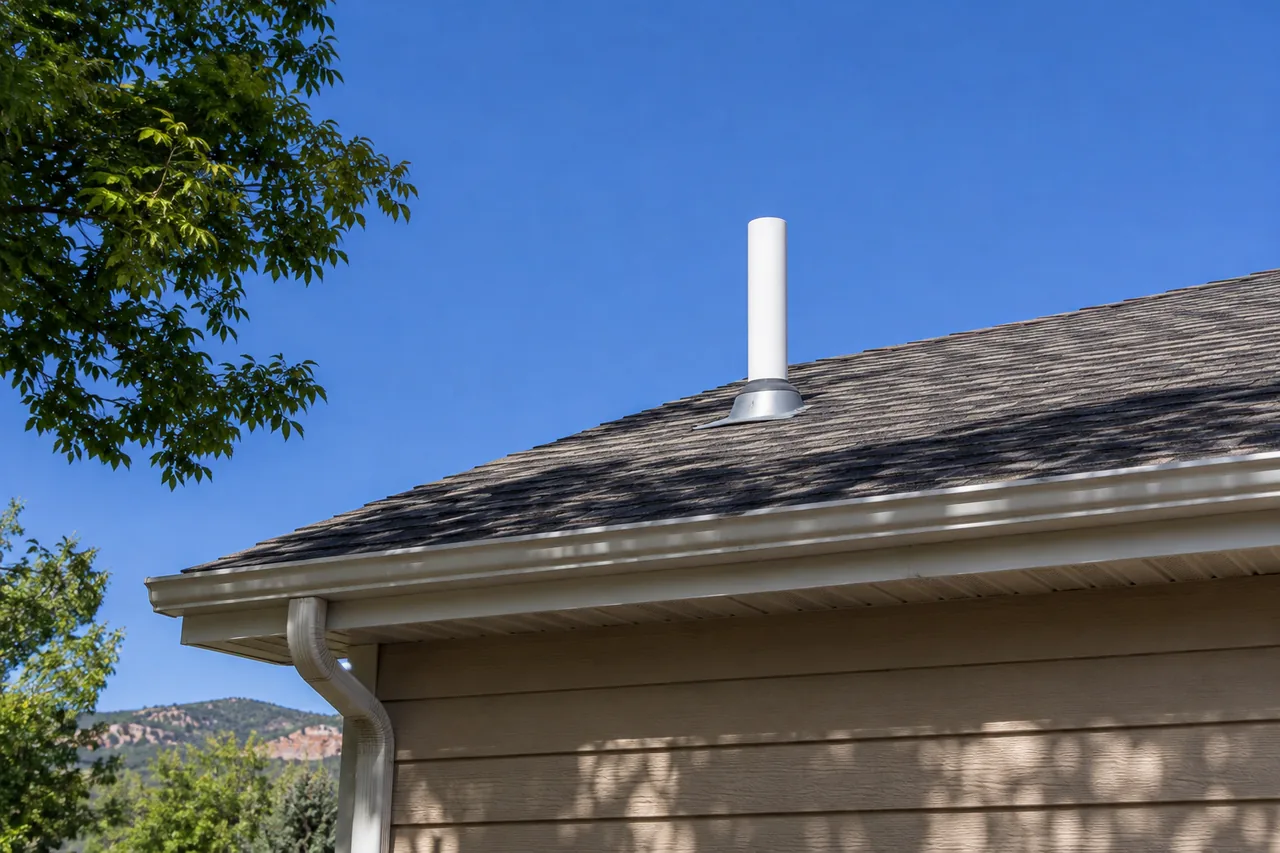
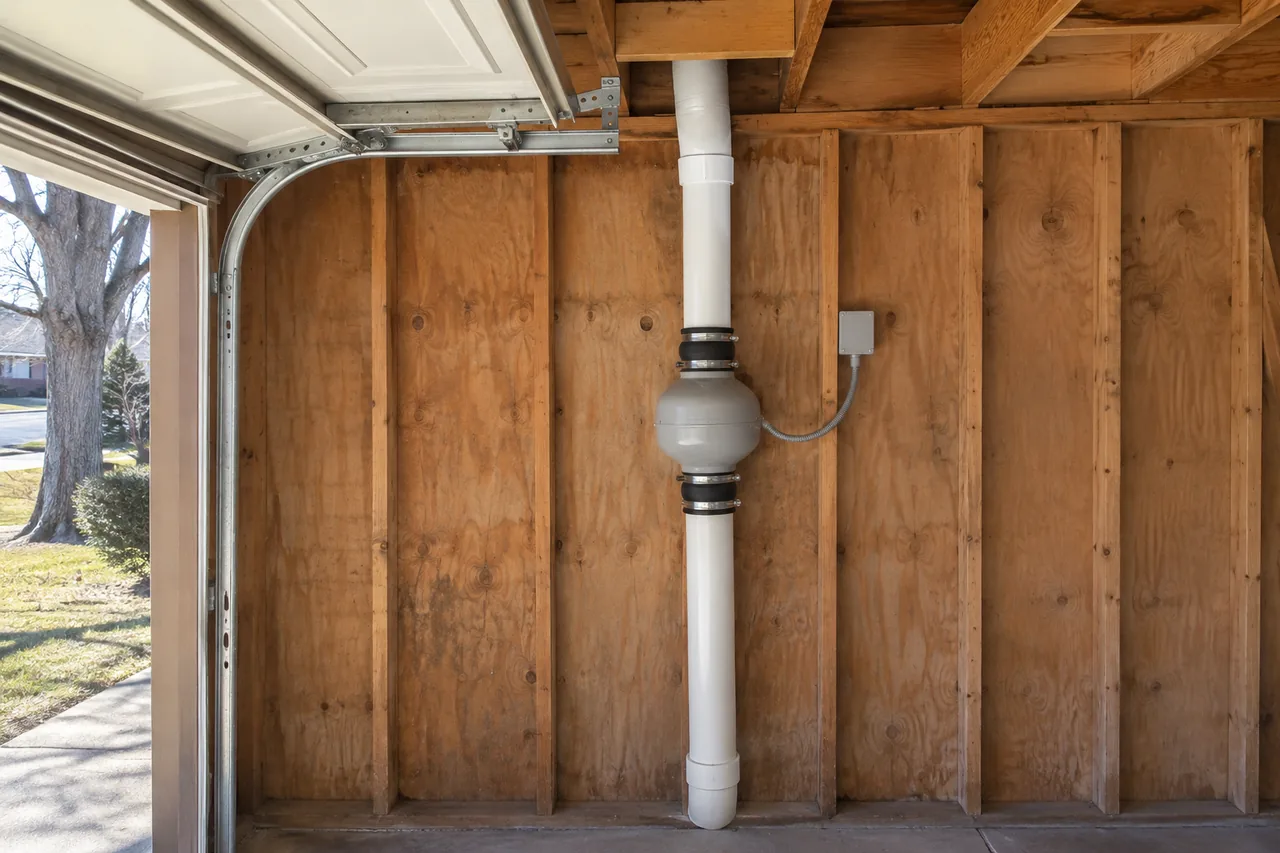
The method EPA leads with is sub-slab suction. EPA's Consumer's Guide to Radon Reduction calls it "the most common and usually the most reliable radon reduction method," and says "Often, only a single suction point is needed." A hole goes through the slab, a pipe is sealed into it, and a fan pulls gas from beneath the floor and vents it outside.
EPA's guide says some systems can cut radon by "up to 99 percent," and gives 50 to 99 percent for sub-slab suction. That's a range, and no one can promise a result ahead of time. In one state-run program, 477 Colorado homes went from readings of 4.1 to 128.4 pCi/L before the work to 0 to 3.9 after, according to CDPHE data from April 2024.
Why it matters
The agencies state the risk plainly. The Surgeon General's 2005 advisory says "Indoor radon is the second-leading cause of lung cancer in the United States." EPA says "Radon is responsible for about 21,000 lung cancer deaths every year," and "About 2,900 of these deaths occur among people who have never smoked." For this state, CDPHE says radon is "responsible for approximately 500 lung cancer deaths annually in Colorado." CDC calls radon "the second leading cause of lung cancer deaths in the United States," and says "There is no known safe level of radon." EPA's working line is its action level of 4 pCi/L, with fixes worth considering between 2 and 4.
Here, Larimer County's health page lists an area average of 7.8 pCi/L, with no year or sample size given. That's a figure about homes that were tested, not a forecast for yours. Colorado's notes on its own test records say levels can vary widely between neighboring homes. Your test is the only number that applies to your house.
Which method fits which house
What's under the floor largely decides the design:
- Basement or slab: sub-slab suction, as above. See the basement and slab guides.
- Crawlspace with a dirt floor: submembrane suction, which EPA calls "the most effective way to reduce radon levels in crawlspace homes." See the crawlspace guide.
- Sump: EPA says "the sump can be capped so that it can continue to drain water," and it can serve as the suction location.
- Drain tile or hollow block walls: EPA also describes drain tile suction and block-wall suction.
- A builder's passive pipe: test first, then add a fan if the reading calls for it. See the passive systems guide.
EPA lists pressurization as something to try only after the common methods, and natural ventilation as a temporary step.
What a sound install includes
These come from EPA's Consumer's Guide. You can check most of them yourself, standing in your own yard or basement:
- Fan location. "The exhaust fan must not be located in or below a livable area." EPA says "Common fan locations include unconditioned home and garage spaces," plus attics and the exterior.
- Exhaust location. Above the roof surface and "10 feet or more above the ground." If the exhaust isn't 2 feet above nearby openings, it should be "at least 10 feet away from windows, doors or other openings."
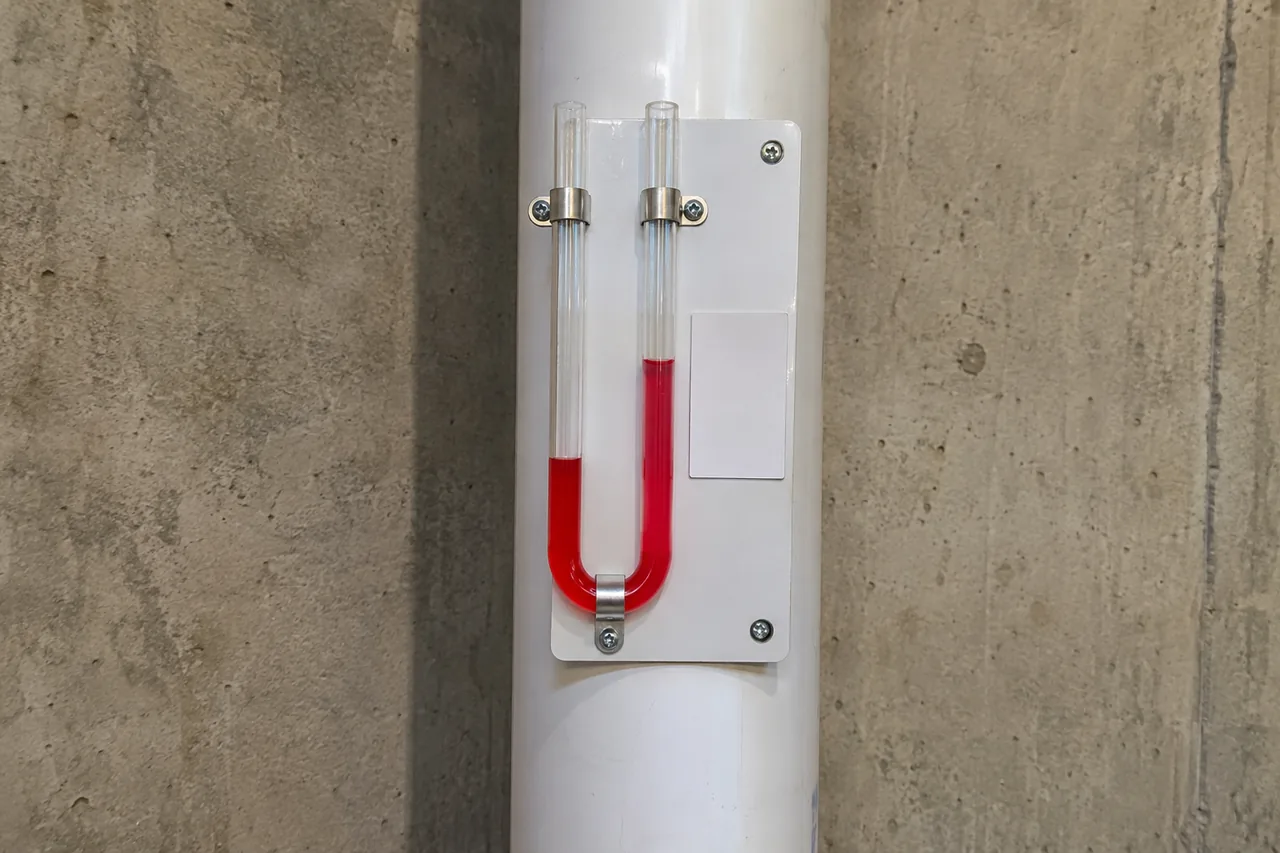
- A warning device. "A warning device must be installed," so you can tell if the fan stops. Minnesota's health department describes a U-tube manometer as one visual indicator, with a tag naming the installer and date. That's Minnesota practice, so ask what you'll get here.
- Labels. "Radon reduction systems must be clearly labeled."
- Wiring. It "must be installed according to local electrical codes."
- A follow-up test. EPA says test "within 30 days of system installation, but no sooner than 24 hours," and it recommends an independent follow-up test of 2 to 7 days.
Colorado's radon law points to the applicable ANSI/AARST mitigation standard or another national standard approved by the state, under C.R.S. 12-165-110. The City of Fort Collins' radon page names 2 pCi/L as the target for mitigation. That's the city's stated goal, not a guarantee of any result, so ask what result the contract commits to.
Worked numbers: running the fan
EPA says a system "will slightly increase your electric bill" and that the fan "must run continuously for the system to work correctly." Here's a worked estimate for a home on Fort Collins Utilities' 2026 standard time-of-day rates. It's a calculation for this page, not a bill.
| Fan size | Energy per year | Cost per year |
|---|---|---|
| 20 watts | 175 kWh | About $21 |
| 71 watts | 622 kWh | About $74 |
Assumptions: the fan runs 8,760 hours a year at a blended rate of about 11.87 cents per kWh. The cost guide shows how that blend is built. Loveland, Xcel and co-op customers pay different rates. Lost heated air is left out too. EPA says a system can "cause some loss of heated or air conditioned air," with no dollar figure.
Fans wear out. EPA says "Fans may last for five years or more." No source reviewed for this page gives a sound local replacement price, so ask for one with the quote.
What commonly goes wrong
- Sealing cracks and stopping there. "EPA does not recommend the use of sealing alone to reduce radon." Sealing can support a system. It doesn't stand in for one.
- Finding out at resale. A Colorado state report says some owners don't learn systems "were installed improperly until they are selling their homes." The labels and a follow-up test help you find out sooner.
- Assuming a pipe means a working system. A passive pipe has no fan. Test to know where you stand.
- Skipping the appliance question. EPA notes a contractor may recommend you "have the appliances checked by a qualified inspector" for backdrafting of combustion appliances.
- Not retesting. EPA says "It is a good idea to retest your home at least every two years," and "After you remodel, retest in the lowest lived-in area."
What it costs
Colorado sources give overlapping ranges: $1,000 to $2,000 and about $1,300 to $3,000 from CDPHE's two pages (both undated, © 2026), and an average of about $1,200 with a range of $800 to $2,500 from a state report dated October 15, 2026. They conflict, and no local contractor prices were collected for this site. Your contractor's written quote is what counts. The cost guide has the rest, including national figures and low-income help.
Who this isn't for
- Homes with no test yet. Start with a test. A kit can cost far less than a system, and the reading decides the next step.
- Readings under 2 pCi/L. CDPHE's guide says to retest in 5 years, or in 2 years if a system is already in place.
- Radon in well water. EPA says "A radon in water problem is more likely when its source is ground water," and CDPHE says to test the water too if you're on a private well with an air problem. An air system doesn't answer a water question.
- Households that may qualify for state help. The low-income program has its own process. Apply to CDPHE directly.
Permits
Permit rules vary. No local page reviewed for this site says whether adding a radon system to an existing home needs a permit, so ask the building department before work begins. Numbers for each town are on the Larimer County page. EPA says a contract should address permits too, and the hiring guide lists what else belongs in one.
Questions homeowners ask
Where does the fan go, and can I hear it?
EPA's rule is that it stays out of living space, with garages, attics and the exterior as common spots. No authoritative source reviewed here gives a noise figure, so ask about noise and fan placement before the job.
How long does the install take?
EPA says to ask, and lists the time needed among the things a contract should cover. No sourced figure exists for this page, so get it from the contractor.
Will the pipe show on the outside of my house?
It might. Pipes can run inside the building or up the exterior. Sources reviewed here don't rank one over the other, so ask to see the planned route before work starts.
Does the system ever need work later?
The fan is the moving part, so ask what its warranty covers and who you'd call if it stops. Watch the warning device and retest at least every two years, as EPA suggests.
Will this fix my number for good?
No one can promise that. It's why EPA asks for a test after the install and regular retests after that.
How this site helps
LarimerRadon.com is a referral service: a request here goes to one independent local contractor, who quotes and does any work directly with you.
Sources
- EPA, Consumer's Guide to Radon Reduction; Health risk of radon (updated June 24, 2026).
- U.S. Surgeon General, HHS news release on the Surgeon General's radon advisory (Jan 13, 2005, copy held by the Alabama Department of Public Health).
- CDC, About radon (June 18, 2026).
- CDPHE, radon program, testing page and FAQ (© 2026, undated); program update (Apr 24, 2024); state radon dataset notes (undated).
- Colorado Department of Regulatory Agencies, radon report (Oct 15, 2026).
- Colorado Revised Statutes 12-165-110 (current through Fall 2025).
- Larimer County health page (updated Nov 1, 2026); City of Fort Collins radon page (undated, © 2026); Fort Collins Utilities rates (2026).
- Minnesota Department of Health, mitigation system page (for the U-tube description only).